Is It Better to Repair or Replace Your AC in Orlando, FL?
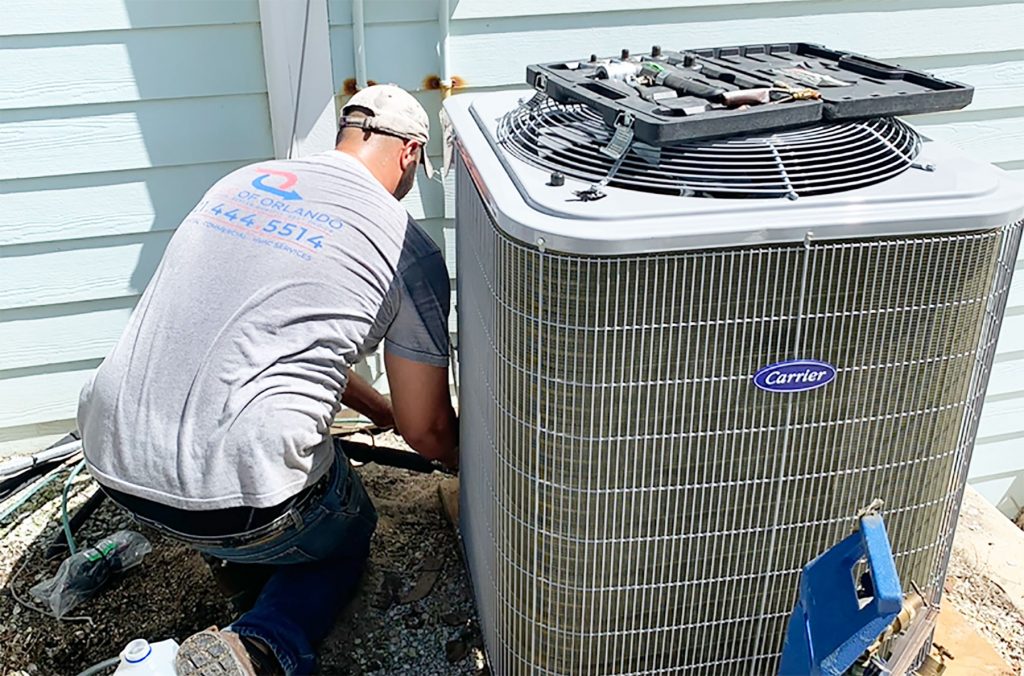
Is It Better to Repair or Replace Your AC in Orlando, FL? Call us Today for a Repair! If your air conditioner is struggling to keep up with the Florida heat, you’re probably asking the big question: Should I repair or replace my AC in Orlando? With long cooling seasons, high humidity, and rising electricity costs, Orlando homeowners face unique challenges when it comes to HVAC systems. Making the right decision can save you thousands of dollars — or cost you thousands if you choose wrong. In this guide, we’ll break down when AC repair makes sense, when replacement is the smarter investment, and how Orlando’s climate plays a major role in the decision. Trying to decide whether to repair or replace your AC in Orlando, FL? Learn the cost differences, SEER2 savings, and when replacement makes more financial sense in Florida’s climate. How Long Do AC Systems Last in Orlando? In milder climates, air conditioners can last 15–20 years. In Orlando? Not usually. Because AC systems run nearly year-round in Central Florida, the average lifespan is: 10–15 years Heat, humidity, salt air, and heavy usage cause more wear and tear. If your system is over 10 years old, replacement may be more cost-effective long term. When AC Repair Makes Sense Repairing your air conditioner in Orlando is often the better option when: ✔ Your AC Is Less Than 8–10 Years Old If the system is still relatively new, most repairs are worth it. ✔ The Repair Cost Is Under 30–40% of Replacement Cost For example, if a repair costs $600 and a new system costs $8,000, repair is likely the smart move. ✔ The Problem Is Minor Common repair issues include: Capacitor replacement Thermostat issues Clogged drain lines Contactor replacement Refrigerant recharge (if no leak) ✔ Your Energy Bills Haven’t Increased Significantly If your AC is cooling efficiently and this is a one-time issue, repair is usually fine. When Replacing Your AC Is the Better Choice There are situations where replacing your AC in Orlando is the smarter financial move. 🔥 1. Your System Is 10–15+ Years Old Older systems lose efficiency over time. Even if they “still work,” they often consume much more electricity. New high-efficiency SEER2-rated AC systems can reduce energy usage significantly compared to older units. 💰 2. Your Energy Bills Keep Climbing If your electric bill keeps increasing even after tune-ups, your AC may be losing efficiency. In Florida’s heat, inefficient systems run longer cycles — meaning higher monthly utility bills. A new high-efficiency AC installation in Orlando can lower cooling costs by 20–40% depending on the system replaced. 🔧 3. Frequent Breakdowns If you’ve had: 2–3 repairs in the last 12 months Major component failures (compressor, evaporator coil) Refrigerant leaks on an older R-22 system Replacement often makes more financial sense. Constant repairs add up quickly. ❄ 4. Your Home Isn’t Cooling Evenly Hot rooms? Weak airflow? AC running all day? There are signs your system may be undersized or worn out — common in older Orlando homes. A properly sized new system can dramatically improve comfort. The $5,000 Rule (Simple Decision Formula) Here’s a quick rule many Orlando HVAC professionals use: Multiply the age of your system by the repair cost. If that number exceeds $5,000 — replacement is usually recommended. Example: 12-year-old AC × $600 repair = $7,200 → Replacement may be smarter. Orlando’s Climate Makes Replacement More Attractive Unlike northern states, Orlando homeowners use air conditioning nearly year-round. That means: • More wear on compressors • Higher energy usage • More strain on refrigerant systems • Greater humidity control needs A new system designed for Florida’s climate will: Cool faster Control humidity better Run more efficiently Reduce long-term repair costs SEER vs SEER2: Why Efficiency Matters in Orlando Older systems may be rated at SEER 10–13. New Florida-compliant systems are rated using SEER2, which reflects real-world performance. Higher SEER2 = lower electricity usage. In Orlando’s long cooling season, upgrading from an older 10 SEER unit to a modern high-efficiency system can result in major savings over time. What About the Cost of AC Replacement in Orlando? Most new AC installations in Orlando range from: $6,000 – $12,000+ Factors that affect price: System size (tonnage) Efficiency rating (SEER2) Ductwork condition Home layout Brand Electrical upgrades While replacement costs more upfront, financing options often make monthly payments manageable — sometimes close to what homeowners were already spending on rising utility bills. Repair vs Replace: Quick Comparison Situation Repair Replace AC under 8 years old ✔ Minor component failure ✔ System 12+ years old ✔ Rising electric bills ✔ Frequent breakdowns ✔ Major compressor failure ✔ The Hidden Cost of Waiting Too Long Many Orlando homeowners delay replacement until total failure. But waiting can mean: Emergency breakdown during peak summer Higher “rush” installation costs Discomfort for days Potential water damage from leaks Planning replacement before total failure gives you more control and better pricing options. So, Is It Better to Repair or Replace Your AC in Orlando? It depends on three key factors: Age of your system Cost of the repair Overall efficiency and performance If your AC is under 8–10 years old and the repair is minor — repair it. If your system is older, inefficient, or breaking down frequently — replacement is usually the smarter long-term investment. Because Orlando’s climate puts heavy strain on AC systems, efficiency and reliability matter more here than in cooler regions. Get an Honest AC Evaluation in Orlando The best way to decide is to have a professional HVAC technician evaluate your system. A trusted Orlando AC company can: ✔ Inspect your system ✔ Compare repair vs replacement costs ✔ Calculate potential energy savings ✔ Provide financing options if needed If you’re unsure whether to repair or replace your AC in Orlando, schedule an evaluation today and get expert guidance tailored to your home. Need Help Deciding? Whether you need fast AC repair in Orlando or want a quote for a new high-efficiency system,
How Much Can I Reduce My Electricity Bill With a Brand New High-Efficiency AC System in Orlando?
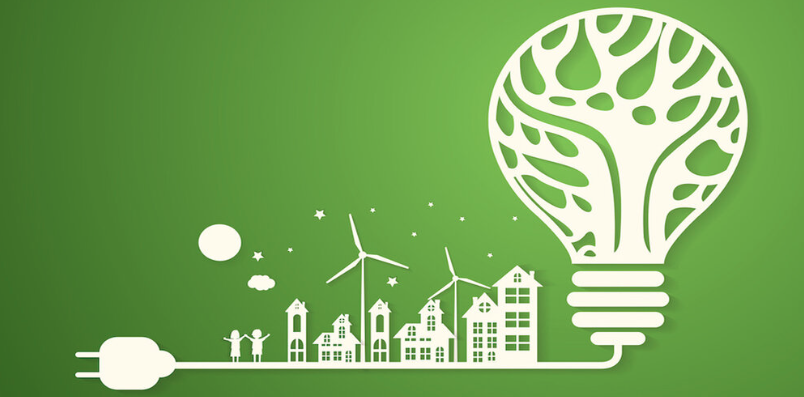
If you live in Orlando or anywhere in Central Florida, your air conditioner is likely the biggest contributor to your monthly electric bill. With Florida’s long cooling season and high humidity, your AC system may run nearly year-round. So how much can you actually reduce your electricity bill with a brand new high-efficiency AC system? For many Orlando homeowners, the savings are substantial — especially with today’s higher SEER2-rated systems. How Much of Your Electric Bill Is AC in Florida? In Central Florida, air conditioning can account for 40–60% of total electricity usage. Homes in the Orlando area typically experience 2,800–3,200 cooling hours per year, much higher than the national average. If your summer electric bill is $300 per month, your AC system alone could be responsible for $150–$200 of that cost. An older, inefficient system may be using far more energy than necessary. What Is SEER2 and Why Does It Matter? As of 2023, the HVAC industry transitioned from SEER to SEER2 (Seasonal Energy Efficiency Ratio 2). SEER2 uses updated testing procedures that better reflect real-world conditions, including: Higher external static pressure More realistic ductwork conditions Stricter efficiency testing standards Because of this, SEER2 ratings are slightly lower numerically than old SEER ratings — but more accurate. Minimum Efficiency in Florida (2023+) In the Southeast region (including Florida): The minimum requirement is 14.3 SEER2 for most residential systems. High-efficiency systems today typically range from: 16–18 SEER2 (very efficient) 19–21+ SEER2 (premium high efficiency) If your current system is 10–13 SEER (older rating), upgrading to a modern 16–20 SEER2 system can significantly reduce energy usage. How Much Can You Save With a High-Efficiency SEER2 System? Here’s what Orlando homeowners commonly see: Upgrade from 10 SEER (old system) to 16 SEER2 Reduce cooling energy usage by approximately 30–40% Upgrade from 10 SEER to 20 SEER2 Reduce cooling energy usage by approximately 40–50% Upgrade from 13 SEER to 18 SEER2 Reduce cooling costs by approximately 25–35% Because Florida homes run air conditioning longer than most states, the return on investment is higher here. Real Example: Central Florida Home Let’s say: Your current AC costs $180 per month in electricity You upgrade to a high-efficiency 18 SEER2 system You reduce cooling usage by 35% You could save: $60+ per month $700+ per year $7,000+ over 10 years And that does not include: Reduced repair costs Improved humidity control Better comfort Potential federal energy tax credits Higher home resale value Why High-Efficiency AC Systems Perform Better in Orlando Modern SEER2-rated systems are designed to handle: Extreme Florida heat High humidity levels Longer run times Stricter energy standards They cool more consistently, remove humidity more effectively, and reduce strain on internal components. Signs Your Current AC Is Raising Your Electricity Bill You may benefit from AC replacement in Orlando if: Your system is 12+ years old Your electric bill keeps increasing Your AC runs constantly Your home feels humid even when cool You’ve had frequent repairs Older systems lose efficiency every year — especially in Florida’s climate. Is a High-Efficiency AC System Worth It in Central Florida? For most homeowners planning to stay in their home 5+ years, upgrading to a high-efficiency SEER2 air conditioner can be one of the best ways to lower electricity bills long-term. With financing options available, the monthly payment for a new system can sometimes be close to what you’re already spending on excess electricity and repairs. See How Much You Can Save on Your Electric Bill Every home is different. Your potential savings depend on: Your current SEER rating Home size Duct condition Insulation Usage habits At MR AC of Orlando, we provide honest evaluations and side-by-side efficiency comparisons so you can see exactly how much you could reduce your electricity bill with a brand new high-efficiency SEER2 AC system. 👉 Click here to see how much you can save.
The History of Air Conditioning and Its Inventor

The History of Air Conditioning and Its Inventor Air conditioning is a modern convenience that has transformed how people live and work, particularly in warm climates. While it may seem like a relatively recent invention, the concept of cooling indoor air has a long history, dating back thousands of years. However, the first true air conditioner as we know it today was invented in the early 20th century by Willis Carrier. Early Cooling Methods Long before mechanical air conditioning, ancient civilizations developed ways to cool their environments. Ancient Egypt and Rome: Egyptians hung wet reeds in windows to cool incoming air through evaporation, while the Romans used aqueducts to circulate cool water through the walls of buildings. Trane’s Climatuff compressors are designed for maximum efficiency, helping to maintain comfortable temperatures while using less power. Middle Ages and Renaissance: Wealthy individuals in the Middle East and Europe used water fountains, thick stone walls, and shaded courtyards to moderate temperatures. The Birth of Mechanical Cooling In the 19th century, inventors began experimenting with artificial cooling. In 1830, Dr. John Gorrie, a Florida physician, developed an ice-making machine to cool hospital rooms for fever patients. While his invention laid the groundwork for future refrigeration, it was Willis Carrier who revolutionized air conditioning. Willis Carrier: The Father of Air Conditioning In 1902, Willis Haviland Carrier, an American engineer, invented the first modern air conditioning system. Working for the Buffalo Forge Company, Carrier was tasked with solving a humidity problem at the Sackett-Wilhelms Lithographing & Publishing Company in Brooklyn, New York. Excess moisture in the air was affecting the quality of the printed materials. Carrier designed a system that controlled temperature and humidity by circulating air over chilled coils. His invention not only improved printing conditions but also laid the foundation for modern climate control. In 1915, he founded the Carrier Engineering Corporation, which pioneered large-scale air conditioning systems. The Rise of Air Conditioning Initially, air conditioning was used primarily in industrial settings, including textile mills, theaters, and department stores. However, by the 1920s and 1930s, luxury hotels and movie theaters began installing air conditioning to attract customers. Residential air conditioning became widespread after World War II. The development of smaller, more affordable window units in the 1950s led to a boom in air-conditioned homes, particularly in the southern United States. This technological advancement contributed to population growth in warm regions like Florida and Texas. Modern Air Conditioning and Its Impact Today, air conditioning is an essential part of daily life, improving comfort, productivity, and health. It has also influenced architectural design, allowing for skyscrapers and enclosed shopping malls. However, concerns about energy consumption and environmental impact have led to advancements in energy-efficient and eco-friendly cooling technologies. Conclusion From ancient cooling techniques to Willis Carrier’s revolutionary invention, air conditioning has come a long way. What began as a solution for a printing company has evolved into an essential feature of modern life, shaping the way people live, work, and interact with their environments.
The Benefits of Upgrading to a High-Quality Air Conditioning System: Why Carrier and Trane Stand Out

The Benefits of Upgrading to a High-Quality Air Conditioning System: Why Carrier and Trane Stand Out If your air conditioning system is aging, inefficient, or constantly in need of repairs, upgrading to a high-quality brand like Carrier or Trane can make a significant difference in your home’s comfort, energy efficiency, and long-term savings. These brands have earned a reputation for reliability, durability, and superior performance, making them top choices for homeowners looking for a worthwhile investment. Here’s why choosing Carrier or Trane for your AC replacement is a smart decision. Energy Efficiency and Cost Savings Both Carrier and Trane offer air conditioning units with high SEER (Seasonal Energy Efficiency Ratio) ratings, which means they consume less energy while providing optimal cooling. With rising energy costs, having an energy-efficient system can result in lower monthly utility bills and significant savings over time. Carrier’s Greenspeed Intelligence technology allows their units to adapt cooling output to real-time needs, reducing energy waste. Trane’s Climatuff compressors are designed for maximum efficiency, helping to maintain comfortable temperatures while using less power. Superior Durability and Longevity Investing in a well-built AC system means fewer breakdowns and a longer lifespan. Carrier and Trane are known for their durable components and rigorous testing standards. Trane’s units undergo extreme weather testing, ensuring they can withstand harsh conditions. Carrier uses high-quality materials and innovative engineering to reduce wear and tear, extending the lifespan of the unit. This means that while you may pay a little more upfront for a Carrier or Trane system, you’ll save money in the long run by avoiding frequent repairs and premature replacements. Advanced Technology for Better Comfort Modern air conditioning systems from Carrier and Trane come with cutting-edge technology to improve comfort and convenience. Smart thermostats: Both brands offer compatibility with smart home systems like Google Nest and Ecobee, allowing for remote control and automation. Variable-speed compressors: These units adjust their cooling output in real-time, preventing temperature fluctuations and improving humidity control. Quiet operation: Carrier’s Silencer System II™ and Trane’s Quiet Comfort Technology ensure minimal noise, making your home more peaceful. Better Indoor Air Quality A high-quality AC system does more than just cool your home—it also improves indoor air quality. Carrier and Trane systems come with advanced filtration options that remove allergens, dust, and pollutants from the air. Carrier’s Infinity Air Purifier captures and kills airborne pathogens, improving overall air quality. Trane’s CleanEffects™ Air Filtration System removes up to 99.98% of airborne particles, reducing allergens and improving respiratory health. If you suffer from allergies or asthma, investing in a high-quality AC system can make a noticeable difference in your well-being. Strong Warranties and Support When you invest in a premium brand like Carrier or Trane, you’re also getting better warranty protection and customer support. Carrier offers up to a 10-year parts warranty, ensuring long-term peace of mind. Trane provides industry-leading warranties, often covering both parts and labor for extended periods. Having a strong warranty ensures that if anything goes wrong, you’re covered—making these brands a safer investment. Increased Home Value If you plan to sell your home in the future, having a high-quality HVAC system from Carrier or Trane can be a great selling point. Buyers are willing to pay more for a home with an efficient, reliable, and well-maintained cooling system, making your investment worthwhile. Final Thoughts Upgrading your air conditioning system to a premium brand like Carrier or Trane is a smart decision for homeowners who want superior energy efficiency, durability, comfort, and indoor air quality. While the initial investment may be higher than lower-end brands, the long-term savings, reliability, and peace of mind make it well worth it. If you’re considering a replacement, consulting with MR A/C OF ORLANDO and we will help you determine the best Carrier or Trane model for your home’s size and cooling needs. With the right system in place, you can enjoy cooler summers, lower energy bills, and a healthier home environment for years to come.
The Benefits of Upgrading to a New Air Conditioning System and Solar Panels for Your Home

The Benefits of Upgrading to a New Air Conditioning System and Solar Panels for Your Home As energy costs continue to rise, homeowners are looking for smarter ways to improve efficiency, reduce expenses, and enhance comfort. Two of the best investments you can make are upgrading to a new air conditioning system and installing solar panels. These upgrades not only provide better cooling and energy efficiency but also work together to lower utility bills and reduce your environmental impact. Here’s why combining a modern AC system with solar energy is a smart decision for any homeowner. Lower Energy Bills One of the biggest benefits of pairing a high-efficiency air conditioning system with solar panels is the significant reduction in electricity costs. A new AC unit uses advanced technology and higher SEER ratings to cool your home using less energy. Solar panels generate free electricity from the sun, allowing you to power your AC unit and other appliances with renewable energy. By producing your own power, you rely less on the grid, resulting in lower monthly utility bills—or even eliminating them in some cases. Increased Home Value Installing solar panels and upgrading your HVAC system can increase the resale value of your home. Energy-efficient homes are in high demand, and buyers are willing to pay more for properties with modern AC systems and solar power. Homes with solar panels sell faster and at higher prices because buyers recognize the long-term savings they provide. These upgrades make your home more attractive to potential buyers while ensuring higher returns on investment (ROI). Reduced Carbon Footprint & Environmental Benefits Switching to solar energy and a new, eco-friendly air conditioning system helps reduce your home’s carbon footprint. New AC units use environmentally friendly refrigerants, such as R-454B, which have a lower global warming potential. Solar panels produce clean energy, reducing your dependence on fossil fuels and lowering greenhouse gas emissions. By making these upgrades, you contribute to a healthier planet while also saving money on energy costs. Protection Against Rising Energy Costs Electricity rates continue to increase, but solar panels protect you from future price hikes. By generating your own power, you shield yourself from fluctuating energy prices. A high-efficiency AC system uses less electricity, further reducing your reliance on expensive grid power. This financial stability gives you peace of mind and long-term energy savings. Tax Credits and Incentives Investing in solar panels and an energy-efficient AC system can qualify you for government incentives, rebates, and tax credits. The Federal Solar Investment Tax Credit (ITC) allows homeowners to deduct a percentage of their solar panel installation costs. Many utility companies offer rebates for installing energy-efficient HVAC systems. Taking advantage of these incentives can significantly reduce your upfront costs. Enhanced Comfort and Performance A new AC system not only lowers energy use but also improves indoor comfort. Better temperature control – Modern AC units cool rooms faster and more evenly. Improved air quality – Advanced filtration systems remove dust, allergens, and pollutants. Quieter operation – New units operate with less noise for a more comfortable home environment. Pairing your AC with solar panels ensures you can run your system longer without worrying about high electricity bills. Backup Power and Energy Independence With solar panels, you can install a battery storage system to store excess energy for use during blackouts or peak demand hours. This gives you greater energy independence and ensures your AC system can keep running even during power outages. By reducing dependence on the grid, you make your home more self-sufficient and resilient. Conclusion Upgrading to a new air conditioning system and solar panels is one of the smartest investments you can make for your home. These upgrades reduce energy bills, increase home value, lower your carbon footprint, and protect against rising electricity costs. With government incentives available, there’s never been a better time to make your home more energy-efficient and sustainable. If you’re ready to take the next step, consult with an HVAC and solar professional to explore the best options for your home and start enjoying the long-term benefits of clean energy and efficient cooling today!
When Is the Right Time to Get a New Air Conditioning System?

When Is the Right Time to Get a New Air Conditioning System? Your air conditioning system is essential for maintaining a comfortable home, especially during the hottest months. However, like any appliance, AC units have a lifespan and will eventually need to be replaced. But when is the right time to invest in a new system? Waiting too long can lead to costly repairs, high energy bills, and uncomfortable indoor temperatures. Here are the key signs that indicate it’s time to upgrade your air conditioning system. Your AC Is More Than 10-15 Years Old Most air conditioning systems last between 10 to 15 years, depending on maintenance and usage. If your unit is approaching or exceeding this age range, it may not be as efficient as newer models. Upgrading to a modern, high-efficiency system can improve cooling performance and reduce energy costs. Frequent and Costly Repairs If your AC is constantly breaking down or requires expensive repairs, it may be more cost-effective to replace it. A good rule of thumb: if repair costs exceed 50% of the price of a new unit, it’s time to invest in a replacement. Instead of throwing money into an aging system, upgrading ensures reliability and long-term savings. Rising Energy Bills An old or inefficient air conditioning system can consume more energy, leading to higher electricity bills. If you’ve noticed a steady increase in cooling costs despite normal usage, your AC might be losing efficiency. Newer models with higher SEER (Seasonal Energy Efficiency Ratio) ratings use less energy and can significantly lower your utility bills. Uneven Cooling and Poor Performance Are some rooms in your home cooler than others? Does your AC struggle to keep up with high temperatures? If your system can’t maintain consistent cooling, it may be due to wear and tear, failing components, or outdated technology. A new system ensures even cooling and better airflow, improving overall comfort. Strange Noises or Odors Unusual sounds like grinding, banging, or squealing could indicate serious mechanical issues. Likewise, musty or burning smells coming from your AC unit may be signs of mold growth, electrical problems, or overheating components. If your system is producing unusual noises or odors, it’s time to consider a replacement. Your AC Uses Outdated Refrigerant (R-22 or R-410A) If your system still uses R-22 refrigerant, it’s already outdated—this refrigerant was phased out due to environmental concerns. Even R-410A, once the standard, is being replaced by R-454B and other eco-friendly alternatives. New air conditioners use environmentally safe refrigerants that comply with modern regulations and offer improved efficiency. Poor Indoor Air Quality An aging AC unit may not filter air as effectively, leading to increased dust, allergens, and humidity inside your home. Newer models come equipped with advanced filtration systems that improve indoor air quality, which is especially beneficial for those with allergies or respiratory conditions. You’re Planning to Sell Your Home If you’re considering selling your home in the near future, upgrading your AC system can increase its market value and appeal to buyers. Many homebuyers prefer properties with energy-efficient, modern HVAC systems, which can make your home stand out in the market. Off-Season Replacement Can Save Money The best time to replace your AC is during the off-season (fall or early spring) when demand is lower. HVAC companies often offer discounts and promotions during these periods, making it a great time to upgrade before peak summer heat arrives. Conclusion Replacing your air conditioning system at the right time can save you money, improve comfort, and ensure reliable cooling when you need it most. If your AC is old, inefficient, or frequently in need of repairs, now may be the perfect time to invest in a new system. Consulting with an HVAC professional can help you determine the best unit for your home and budget.
Financing Benefits for a New Air Conditioning System

Financing Benefits for a New Air Conditioning System Upgrading to a new air conditioning system can be a significant investment, but financing options can make the process more affordable while providing long-term benefits. From improved energy efficiency to enhanced home comfort, there are several reasons to consider investing in a modern HVAC system—and financing can help ease the upfront costs. Here’s an in-depth look at the financing benefits for a new air conditioning system. Reduced Upfront Costs Financing options allow you to spread the cost of a new air conditioning system over time instead of paying a large sum upfront. This makes it easier to manage your budget, especially when unexpected expenses arise. With flexible monthly payment plans, you can upgrade your system without compromising your financial stability. Increased Energy Efficiency and Savings Modern air conditioning systems are designed to be more energy efficient, which can lead to substantial savings on your utility bills. When you finance a new system, the money you save on energy costs can help offset your monthly payments. Over time, these savings can add up significantly, making the upgrade a smart financial decision. Potential for Tax Credits and Rebates Many regions offer tax credits, rebates, or incentives for installing energy-efficient systems. These benefits can further reduce the overall cost of your new air conditioning system. By financing your purchase, you can take advantage of these savings immediately, lowering the effective interest rate on your loan or lease. Enhanced Home Value A modern, energy-efficient air conditioning system not only improves your comfort but can also boost your home’s resale value. Prospective buyers are often attracted to properties with updated, high-efficiency systems that promise lower operating costs. Financing your upgrade can be seen as an investment in your property’s future value. Improved Comfort and Air Quality New air conditioning systems provide more consistent cooling, better air filtration, and improved humidity control. Financing a new system means you can enjoy these benefits right away, improving the overall comfort and health of your living environment. This is especially valuable during extreme weather conditions, where reliable cooling can make a significant difference. Access to Advanced Technology Modern HVAC systems come with a range of advanced features such as smart thermostats, remote control options, and enhanced diagnostics. Financing your purchase enables you to upgrade to a system with the latest technology without having to wait until you can save the full amount. These features can optimize energy use, provide better climate control, and add convenience to your daily life. Flexible Financing Options Many HVAC contractors and financial institutions now offer a variety of financing plans tailored to the needs of homeowners. Options include low-interest loans, zero-down financing, and seasonal promotions that coincide with installation periods. These flexible plans are designed to accommodate different financial situations, making it easier to invest in a new air conditioning system without breaking the bank. Improved Maintenance and Warranty Options Financing often comes with additional perks, such as extended warranties and maintenance plans. These extras ensure that your investment is protected over time and help minimize unexpected repair costs. A comprehensive warranty and scheduled maintenance can extend the life of your system and improve overall performance, adding further value to your financed investment. Conclusion Financing a new air conditioning system offers multiple benefits that extend beyond simply making the purchase more affordable. With reduced upfront costs, potential energy savings, tax incentives, and improved home value, financing can transform a significant investment into a smart financial decision. By taking advantage of flexible payment plans and modern technology, homeowners can enjoy a more comfortable living environment while benefiting from long-term savings and increased property value. If you’re considering upgrading your air conditioning system, explore the financing options available through your HVAC provider or local financial institutions. This proactive step can ensure you enjoy the benefits of a modern, energy-efficient system without the burden of a large upfront expense.
Understanding the New R-454B Refrigerant: The Future of Air Conditioning

Understanding the New R-454B Refrigerant: The Future of Air Conditioning As environmental regulations become more stringent, the HVAC industry is transitioning to more sustainable refrigerants that reduce environmental impact while maintaining high performance. One of the most significant advancements in this shift is the introduction of R-454B refrigerant, a next-generation alternative to R-410A. As of 2025, many manufacturers will begin phasing out older refrigerants in favor of R-454B, making it the new standard in residential and commercial air conditioning systems. What Is R-454B? R-454B is a mildly flammable (A2L) hydrofluoroolefin (HFO)-based refrigerant designed to replace R-410A in air conditioning and heat pump systems. It offers lower global warming potential (GWP) while maintaining energy efficiency and system reliability. Why Is R-454B Replacing R-410A? R-410A, which has been widely used for years, has a high GWP of 2,088, meaning it has a significant impact on global warming when released into the atmosphere. Due to environmental concerns and new regulations from the U.S. Environmental Protection Agency (EPA) and the American Innovation and Manufacturing (AIM) Act, manufacturers are required to transition to lower-GWP refrigerants. R-454B has a GWP of 466, which is nearly 78% lower than R-410A, making it a more environmentally friendly option. Benefits of R-454B Refrigerant Lower Environmental Impact: R-454B significantly reduces greenhouse gas emissions compared to R-410A. Its lower GWP helps HVAC systems comply with global climate agreements, such as the Kigali Amendment to the Montreal Protocol, which aims to phase down high-GWP refrigerants. Improved Energy Efficiency: Air conditioning and heat pump systems using R-454B are designed to operate more efficiently, helping reduce overall energy consumption. This translates to lower electricity bills for homeowners and businesses. Similar Performance to R-410A: Unlike some alternative refrigerants, R-454B offers a performance level comparable to R-410A, ensuring consistent cooling and heating capacity without requiring major changes to system designs. This makes it a practical choice for manufacturers and HVAC technicians. Easier Transition for HVAC Systems: Because R-454B operates at similar pressure levels to R-410A, manufacturers can adapt existing AC system designs with minimal modifications. This makes the transition smoother for homeowners and businesses upgrading their HVAC systems. Compliance with New Regulations: Starting in 2025, new HVAC systems in the U.S. must comply with EPA regulations restricting high-GWP refrigerants. Investing in an R-454B-compatible system ensures compliance with current and future environmental laws. Challenges and Considerations Mild Flammability (A2L Classification): R-454B falls under the A2L safety classification, meaning it has low flammability but still requires proper handling and storage. HVAC technicians must undergo special training and certification to work with A2L refrigerants safely. Not Backward Compatible with R-410A Systems: R-454B cannot be used as a direct drop-in replacement for R-410A. Existing AC systems designed for R-410A must be retrofitted or replaced to accommodate the new refrigerant. Initial Transition Costs: While R-454B will eventually lead to cost savings through energy efficiency and environmental compliance, there may be higher upfront costs for new systems and technician training. However, as adoption increases, prices are expected to stabilize. Conclusion The introduction of R-454B refrigerant marks a significant step toward a more sustainable and energy-efficient future in HVAC technology. With lower global warming potential, improved energy efficiency, and regulatory compliance, R-454B is set to become the industry standard for air conditioning systems. While there are some challenges in transitioning to this new refrigerant, the long-term benefits outweigh the initial costs. If you’re considering upgrading your air conditioning system, investing in an R-454B-compatible unit ensures that your home or business is future-proofed for evolving environmental regulations. Consulting with a certified HVAC professional can help you make a smooth transition to this next-generation refrigerant.
The Importance of Investing in a Brand-New Air Conditioning System

The Importance of Investing in a Brand-New Air Conditioning System A reliable air conditioning system is essential for maintaining comfort, especially in regions where temperatures can soar. If your current AC unit is outdated or frequently in need of repairs, it may be time to consider investing in a brand-new system. Upgrading to a modern air conditioning unit offers numerous benefits, from improved energy efficiency to enhanced indoor air quality. Here’s why a new AC system is a worthwhile investment. Increased Energy Efficiency New air conditioning systems are designed with advanced technology that significantly improves energy efficiency. Older units often consume more electricity due to outdated components and wear and tear. Modern systems, however, have higher Seasonal Energy Efficiency Ratio (SEER) ratings, which means they use less energy while delivering superior cooling. This leads to lower monthly utility bills and a reduced environmental impact. Enhanced Cooling Performance Over time, older AC units struggle to maintain consistent temperatures. If you notice uneven cooling, longer run times, or difficulty reaching your desired indoor climate, your current system may be losing efficiency. A brand-new air conditioning unit ensures consistent airflow and cooling, even on the hottest days, keeping your home comfortable year-round. Improved Indoor Air Quality Air conditioning systems do more than just cool your home—they also filter and circulate air. Newer models come equipped with advanced filtration systems that remove dust, allergens, and pollutants from the air, creating a healthier living environment. This is especially beneficial for individuals with allergies, asthma, or respiratory conditions. Reduced Repair and Maintenance Costs As AC units age, they require more frequent maintenance and costly repairs. Components wear out, refrigerant leaks become common, and efficiency declines. By replacing an old unit with a new one, you eliminate the hassle of constant repairs and unexpected breakdowns. Most new systems also come with manufacturer warranties, providing peace of mind for years to come. Smart Technology and Modern Features New AC systems offer innovative features such as programmable thermostats, Wi-Fi connectivity, and smart home integration. These advancements allow you to control your cooling system remotely, optimize energy usage, and create customized cooling schedules. This level of convenience enhances both comfort and efficiency. Increased Home Value If you’re considering selling your home in the future, a brand-new air conditioning system can be a strong selling point. Prospective buyers appreciate homes with modern, energy-efficient systems that don’t require immediate upgrades. Installing a new AC unit can improve your home’s marketability and potentially increase its value. Environmental Benefits Newer AC units use eco-friendly refrigerants that have a lower impact on the environment. Older systems may rely on outdated refrigerants, such as R-22, which are being phased out due to their harmful effects on the ozone layer. Upgrading to a new system ensures compliance with environmental regulations while reducing your carbon footprint. Conclusion Investing in a brand-new air conditioning system is a smart decision that provides long-term benefits. From energy efficiency and cost savings to improved air quality and home value, a modern AC unit enhances both comfort and quality of life. If your current system is outdated or inefficient, now may be the perfect time to upgrade to a more advanced, reliable, and eco-friendly cooling solution.